
Understanding the Impact of Houston's Weather on Your Roof


Homeowners in Houston know that the city’s weather can be both a blessing and a challenge. While the warm climate is often enjoyable, the weather patterns can have a significant impact on the health and longevity of your roof. Understanding these effects can help you make informed decisions about maintenance and repairs.
Houston’s climate is characterized by high humidity, heavy rainfall, and intense sun. These elements can take a toll on your roofing materials, leading to wear and tear over time. Let's explore how each weather condition affects your roof and what you can do to protect your home.

Intense Sunlight and Heat
The Texas sun is notorious for its strength, and Houston is no exception. Prolonged exposure to UV rays can cause roofing materials to deteriorate faster. Asphalt shingles, for instance, may become brittle, lose their color, and even crack under extreme heat. This can lead to leaks and a decrease in overall roof efficiency.
To mitigate sun damage, consider using UV-resistant materials or applying protective coatings. Regular inspections can help identify signs of sun damage early, allowing for timely repairs.
Heavy Rainfall and Storms
Houston experiences significant rainfall throughout the year, particularly during hurricane season. Heavy rain can lead to water pooling on your roof, which may cause leaks and structural damage if not addressed promptly. Additionally, high winds can lift shingles and create vulnerabilities.
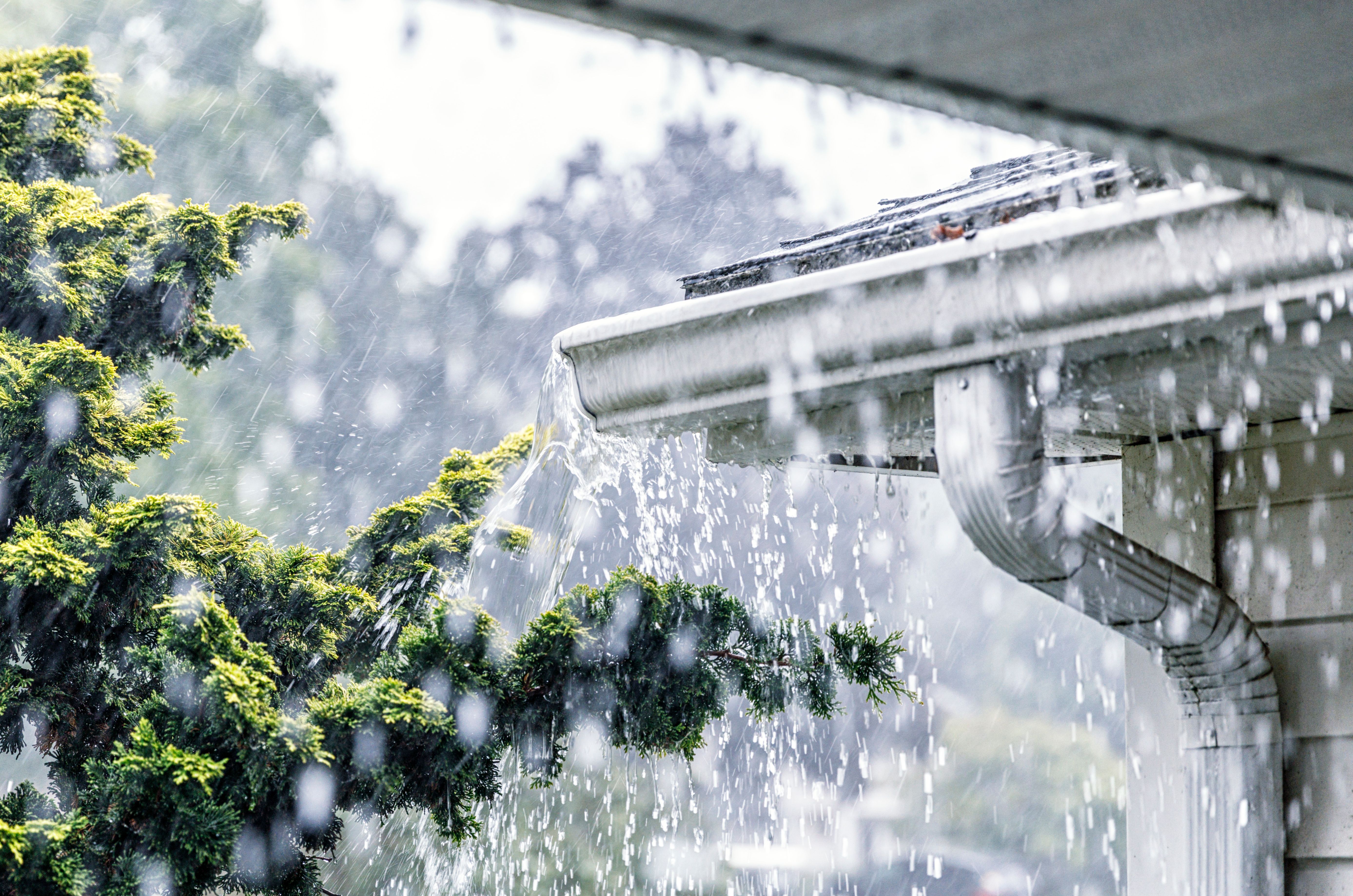
Ensure your roof has a proper drainage system, such as gutters and downspouts, to direct water away from your home. Regular maintenance, like clearing debris from gutters, is crucial in preventing water-related damage.
Humidity and Mold Growth
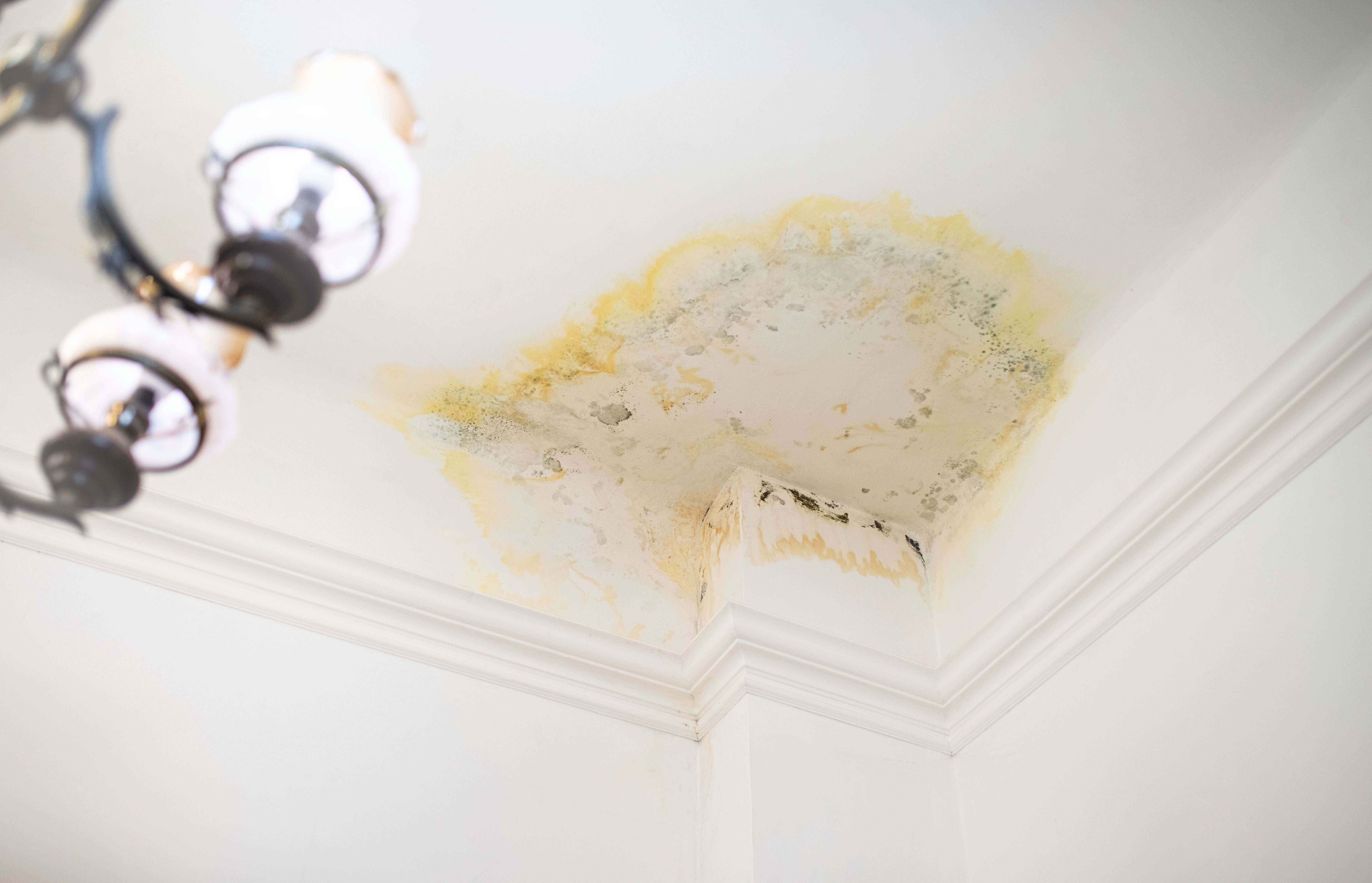
The high humidity in Houston can create a perfect environment for mold and mildew to thrive. Mold growth not only affects the appearance of your roof but can also lead to health issues and structural damage. It’s essential to address any mold growth immediately to prevent further complications.
Consider installing ventilation systems to reduce humidity levels and regularly inspect your attic and roof for signs of mold. Using mold-resistant materials can also provide added protection.
Temperature Fluctuations
While Houston is known for its heat, the city also experiences temperature fluctuations that can affect roofing materials. These changes cause materials to expand and contract, potentially leading to cracks and other forms of damage.
Choosing flexible, durable materials that can withstand temperature changes is vital. Regular inspections can help identify issues before they become serious problems.
Conclusion
Understanding the impact of Houston’s weather on your roof is crucial for maintaining its health and longevity. By taking proactive measures, such as opting for weather-resistant materials, performing regular inspections, and addressing issues promptly, you can protect your investment and ensure your home remains safe and secure.
For homeowners in Houston, being aware of these weather impacts and responding accordingly can make all the difference in extending the life of your roof.