
DIY Roof Inspection Tips: Spotting Common Issues Before They Become Problems


Understanding the Importance of Roof Inspections
Your roof is your home's first line of defense against the elements. Regular inspections can help you spot potential issues early, saving you time and money in the long run. While hiring a professional is always an option, a DIY inspection can be quite effective if you know what to look for.
Gathering the Right Tools
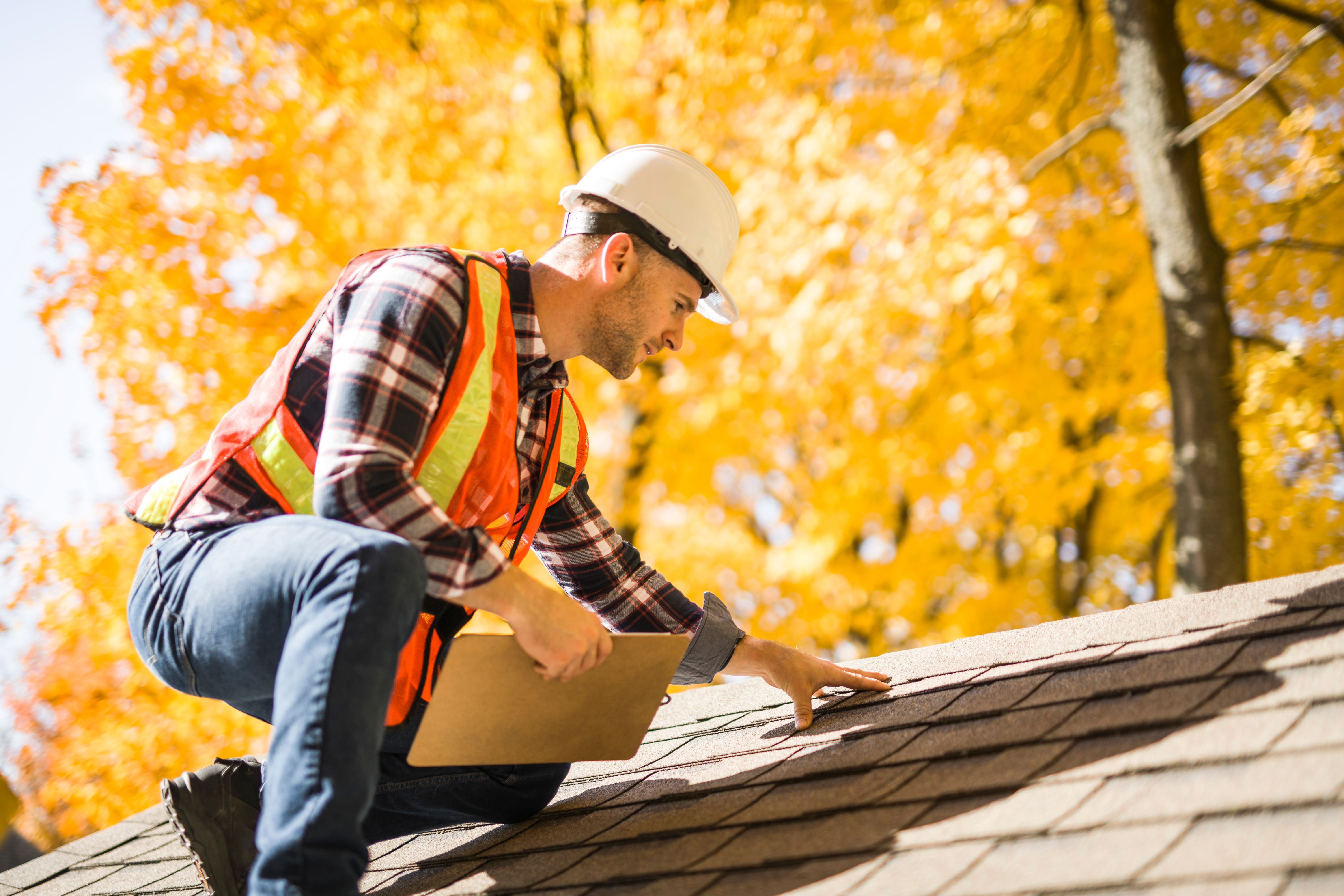
Before you start, ensure you have the right tools. A sturdy ladder, binoculars, flashlight, and a notebook for taking notes are essential. Safety should always be your top priority, so make sure the ladder is stable and someone is nearby to assist if needed.
Inspecting Shingles and Flashing
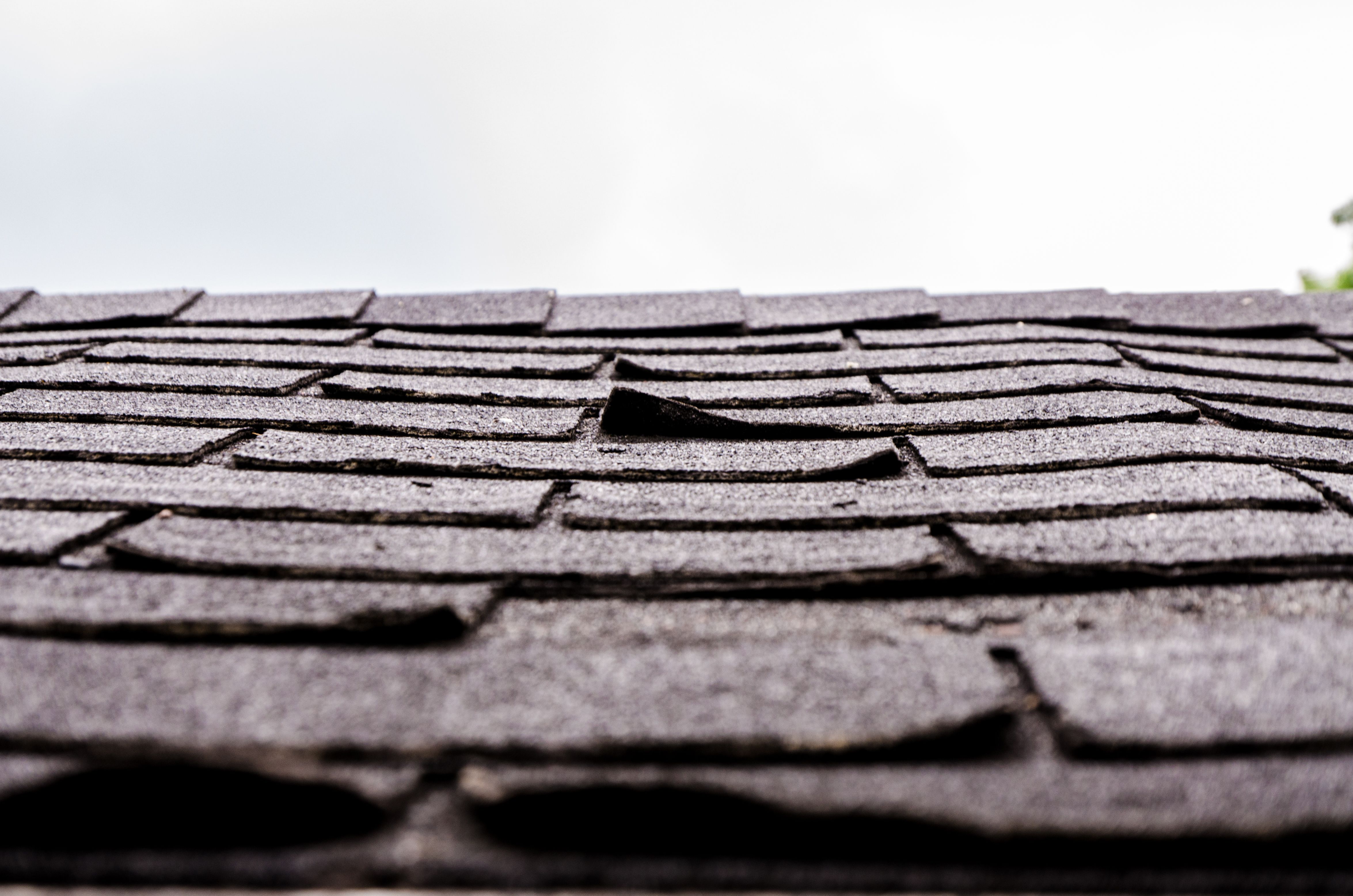
Begin by examining the shingles. Look for any that are cracked, curled, or missing, as these can lead to leaks. Pay special attention to areas around chimneys and vents where flashing is used. Damaged flashing can allow water to seep in. If you spot any issues, consider replacing shingles or resealing flashing.
Checking for Water Damage
Water stains on ceilings or walls can be a telltale sign of a roof leak. During your inspection, look for any discoloration or damp spots. Inside the attic, use a flashlight to find signs of water penetration, such as mold or rot. Addressing these issues promptly can prevent further damage.
Gutters and Downspouts
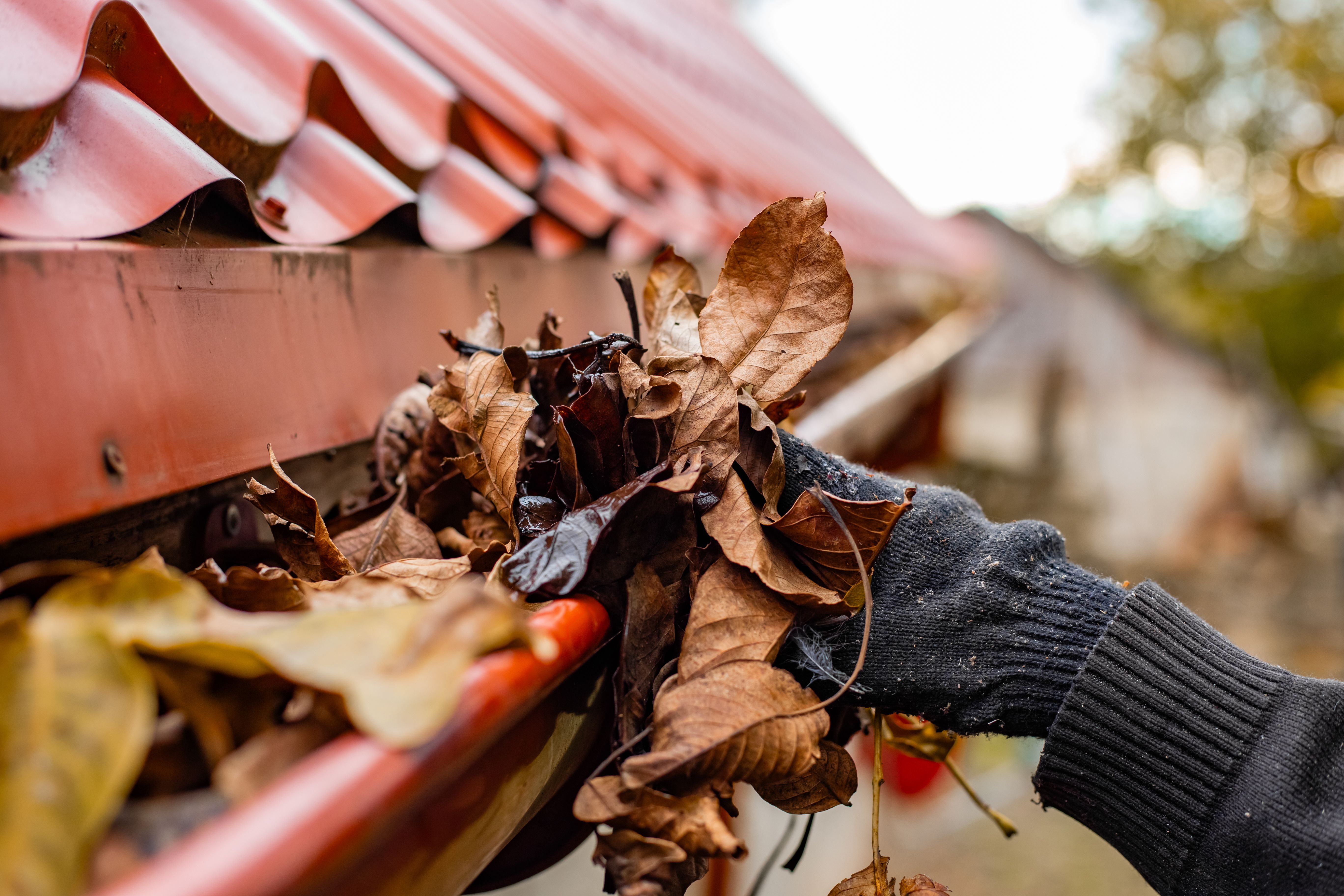
Clogged gutters can cause water to back up and damage your roof. Ensure that gutters and downspouts are clear of debris. Check for any sagging or separation from the roofline. Regular cleaning and maintenance can prevent these problems from escalating.
Attic Ventilation
Proper attic ventilation is crucial for maintaining roof integrity. Poor ventilation can lead to heat and moisture buildup, causing shingles to deteriorate prematurely. Ensure that vents are unobstructed and in good condition.
Look for Algae and Moss
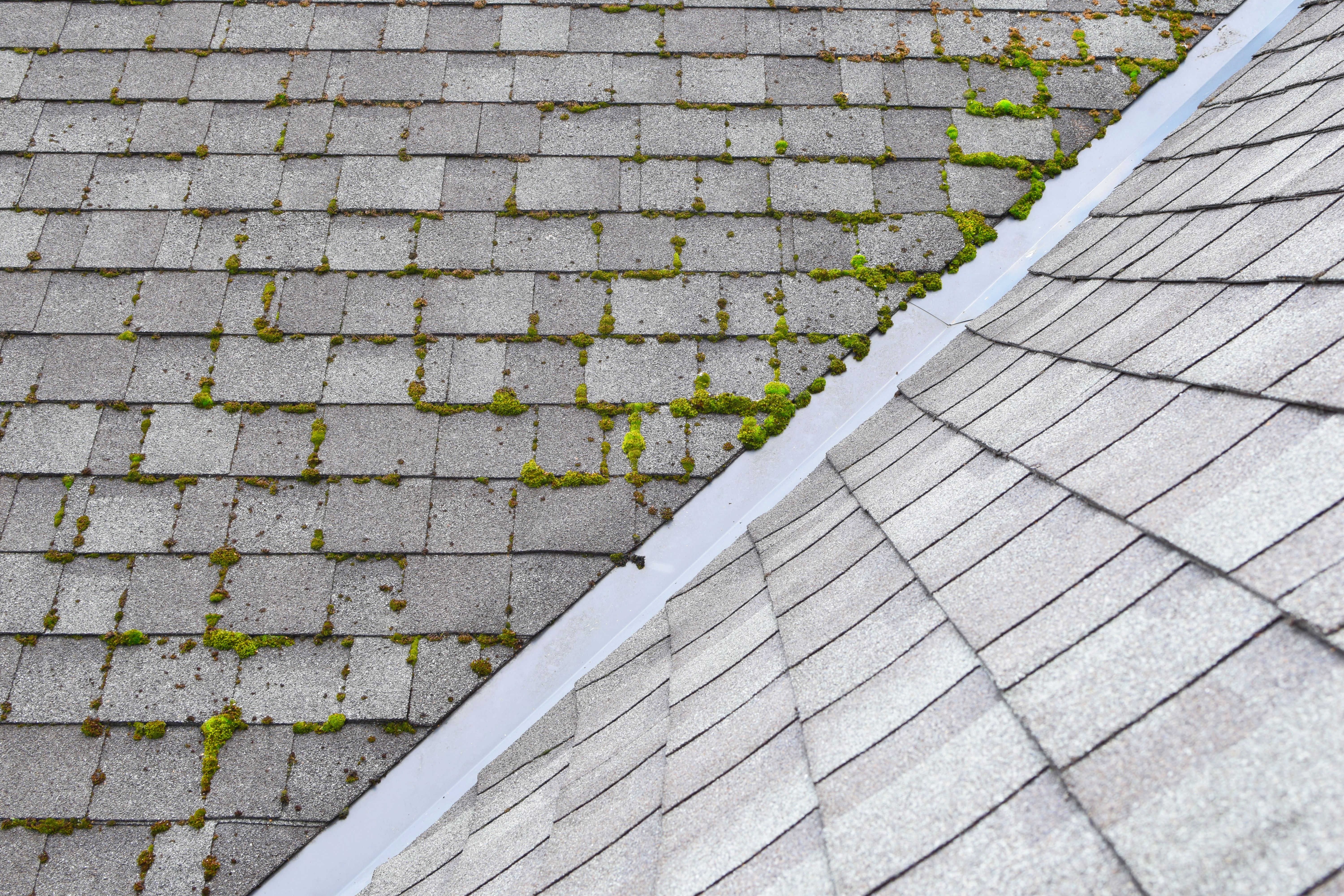
Moss and algae growth can trap moisture and cause roof materials to degrade. If you notice green patches, gently remove them with a soft brush. For more extensive growth, consider applying a moss-killing solution designed for roofs.
When to Call a Professional
While a DIY inspection can catch many issues, some problems require a professional's expertise. If you find extensive damage or are unsure about certain findings, it’s wise to consult a roofing professional. They can provide a thorough assessment and recommend the best course of action.
Final Thoughts
Regular roof inspections are a vital part of home maintenance. By taking the time to check your roof, you can avoid costly repairs and ensure your home remains safe and secure. Remember, safety comes first, so don't hesitate to seek professional help if needed.