
10 Common Roofing Myths Debunked by Experts


Introduction
Roofing is a crucial aspect of any home, but it's often surrounded by misconceptions that can lead to costly mistakes. To help homeowners make informed decisions, we've consulted with experts to debunk some of the most common roofing myths.
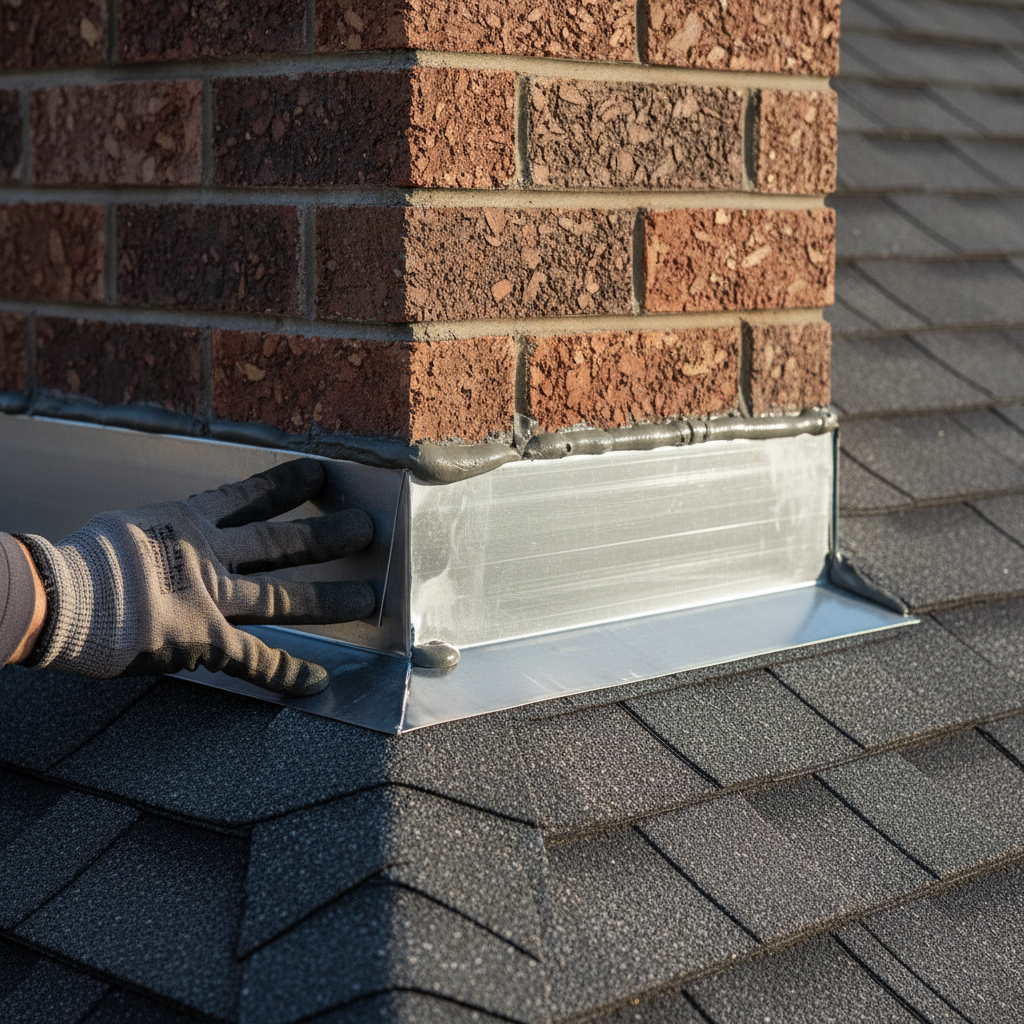
Myth 1: All Roofing Materials Are the Same
A prevalent myth is that all roofing materials offer the same durability and protection. In reality, different materials have unique properties that cater to various needs. Asphalt shingles, metal, and tiles each have distinct advantages and lifespans.
Myth 2: Roofs Only Need Replacement When Leaks Occur
Many homeowners believe that a roof only needs replacing once a leak is detected. However, regular inspections can identify issues before leaks occur, saving time and money in the long run. Proactive maintenance is key to extending your roof’s lifespan.
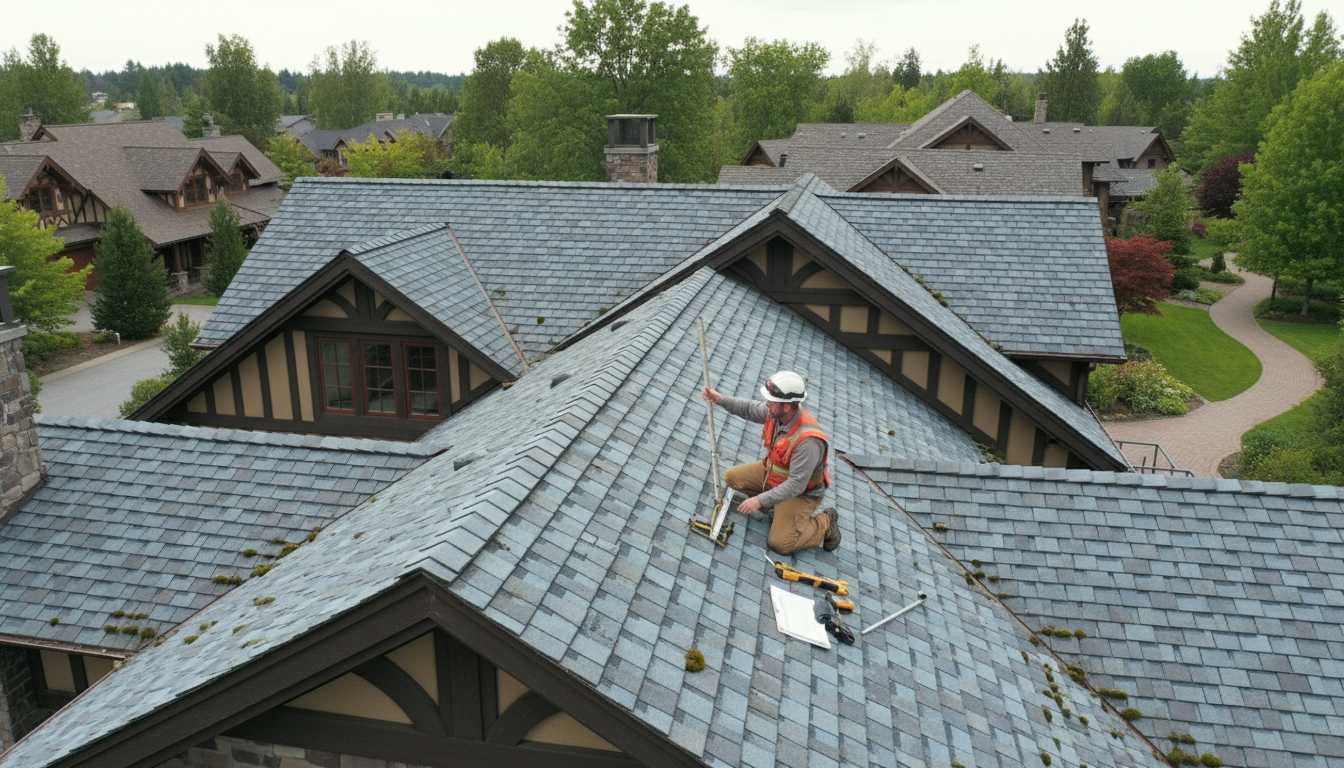
Myth 3: You Can Install New Shingles Over Old Ones
While it might seem cost-effective to layer new shingles over old ones, this practice can lead to complications. Experts recommend removing old shingles to inspect the underlying structure, ensuring a more secure and long-lasting installation.
Myth 4: Metal Roofs Attract Lightning
Some homeowners avoid metal roofs due to the fear of lightning strikes. However, metal roofs do not attract lightning more than any other material. They are non-combustible and can be safer in the event of a strike.
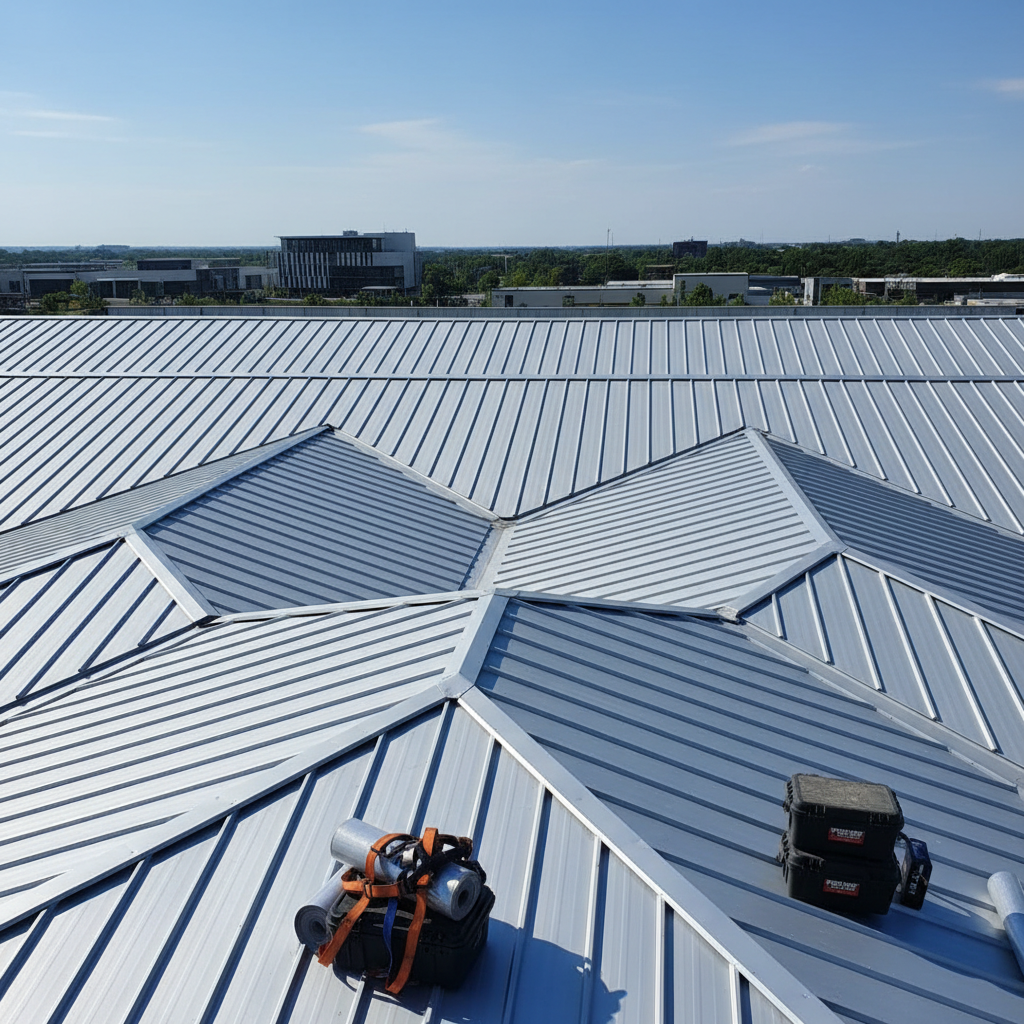
Myth 5: Roofs Don’t Need Ventilation
Proper ventilation is essential for a healthy roofing system. Without it, heat and moisture can build up, leading to premature aging and damage. Ensuring your roof is well-ventilated can improve energy efficiency and extend its lifespan.
Myth 6: All Roof Damage Is Visible
Not all roof damage is apparent to the untrained eye. Hidden issues like water damage or structural weaknesses can exist without visible signs. Regular professional inspections can uncover these hidden problems early.
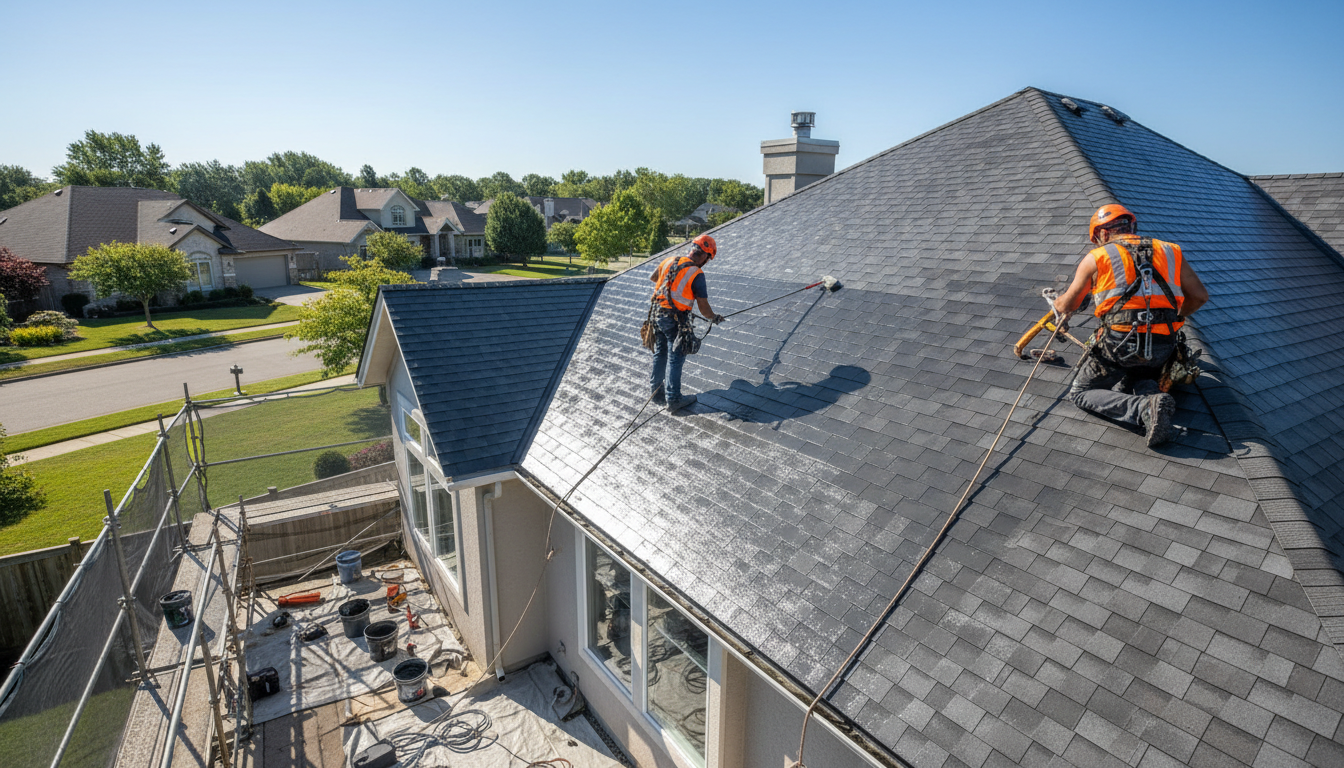
Myth 7: DIY Roofing Is Cost-Effective
The allure of DIY projects can lead some to attempt roofing repairs themselves. However, without the proper skills and tools, DIY roofing can result in more harm than good. Hiring a professional ensures the job is done correctly and safely.
Myth 8: Roofs Last Forever
No roof lasts indefinitely. While some materials offer longer lifespans, all roofs will eventually need replacement. Keeping track of your roof’s age and condition can help you plan for future expenses.
Conclusion
Understanding the truth behind these common myths can significantly impact the longevity and effectiveness of your roof. By prioritizing regular maintenance and relying on expert advice, you can protect your home and invest wisely in your roofing needs.